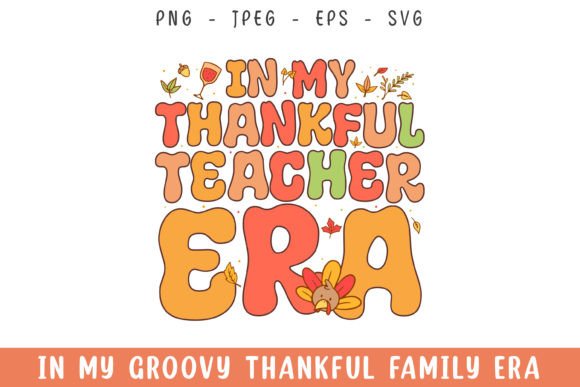
In My Teacher Era Groovy Retro SVG Review
As a professional embroidery digitizer and product reviewer, I approach every new graphic with a specific question: will this actually stitch out well on physical fabric? When evaluating the In My Teacher Era Groovy Retro SVG, my focus shifts immediately from screen aesthetics to needle performance. This design captures a distinct nostalgic mood that is currently dominating the Crafts market, but translating those wavy, retro lines into a durable machine embroidery design requires careful consideration of structure and application.
First Impressions and Visual Personality
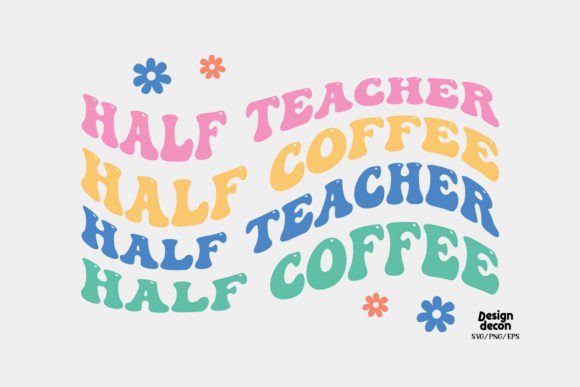
The initial appeal of this embroidery file lies in its balanced composition. The "In My Era" trend relies heavily on typography that feels organic rather than rigid. Visually, this SVG presents a layout that suggests movement without being chaotic. For an embroidery designer, this is promising. Chaotic vectors often translate to messy stitch paths, but this groovy retro style typically utilizes smooth curves that are friendly to both satin stitch borders and fill stitch interiors.
The personality here is warm, approachable, and distinctly feminine. It does not scream for attention; instead, it invites connection. This makes it an ideal candidate for products meant to be worn or used daily rather than displayed as art. As a digital asset within the Graphics category, it holds strong commercial potential because it targets a specific emotional niche—educators embracing their identity with vintage flair. However, before loading this into your software, you must assess whether the line weight supports the intended end use.
Real-World Application: The Educator Sweatshirt Test
To truly judge this design, I mentally placed it in a real-life production scenario: creating a custom crewneck sweatshirt for a teacher appreciation gift or boutique inventory. Sweatshirts are the gold standard for this aesthetic, but they present unique challenges due to fleece texture and stretch.
In this context, the In My Teacher Era Groovy Retro SVG performs best when treated as a medium-to-large chest placement. The retro lettering needs breathing room. If scaled down too small for a pocket logo, the internal negative space of the groovy font risks closing up during stitching. On a heavyweight cotton blend, I would recommend using a cutaway stabilizer to prevent the design from distorting the garment's drape. The design’s flow works beautifully across the horizontal axis of a sweatshirt, complementing the relaxed fit rather than fighting against it.
For Etsy seller clients or small shop product lines, this design offers excellent versatility. It transitions seamlessly from apparel to accessories. I can easily visualize this as a tote bag design where the canvas provides a stable foundation for high-density stitching. Alternatively, as an embroidered patch, the bold outlines typical of this style allow for clean merrowed edges or tight satin borders, making it a viable add-on item for craft fair booths.
Navigating Fabric Limitations and Technical Risks
While the aesthetic is forgiving, technical execution demands respect. There are specific scenarios where this digital embroidery file requires caution. The most significant risk involves dark fabrics. The product notes mention easy color changes for dark t-shirts, which is a crucial feature. In embroidery, stitching light thread onto dark fabric often requires an underlay base to prevent the fabric grain from showing through. You must verify if the digitized version includes a proper underlay layer for contrast scenarios; otherwise, the vibrant retro colors may look muddy or sink into the weave.
Textured fabrics like terry cloth or waffle knit also pose a challenge. The intricate curves of groovy typography can get lost in high-pile textures. If you plan to use this for baby embroidery on hooded towels or blankets, consider adding a water-soluble topping to keep the stitches crisp. Without it, the fine details of the retro serifs might disappear.
Furthermore, be wary of curved surfaces. While this design looks fantastic flat, wrapping it around a cap front can distort the baseline unless the file has been specifically arced for headwear. Always check the geometry before attempting commercial embroidery on hats. Similarly, avoid placing detailed elements near seams or collars where hoop burn or registration issues are likely to occur.
Impact on Product Value and Brand Perception
Using a well-executed version of the In My Teacher Era Groovy Retro SVG elevates the perceived value of a handmade product. Customers associate clean, intentional stitching with professionalism. When the retro waves align perfectly and the text is legible from a distance, it builds trust. Conversely, a design that is too dense for the fabric or poorly stabilized results in puckering, which instantly devalues the item regardless of the design's inherent beauty.
For creative entrepreneurs, this design serves as a strong anchor for seasonal collections. It bridges the gap between general teacher appreciation and specific holiday themes like Thanksgiving, especially given the related keywords associated with the file. This dual-purpose nature increases ROI on your design assets. A cohesive collection featuring this groovy style across aprons, tea towels, and apparel creates brand recognition that encourages repeat purchases.
Essential Designer Notes for Success
Before committing this design to a final finished product, adhere to these practical protocols:
- Test Stitch First: Never run this design directly on a customer’s garment without a test sew-out on similar scrap fabric. Verify that the thread colors interact well and that the tension is balanced.
- Check Licensing: Confirm whether your purchase includes commercial rights for selling physical embroidered items versus just personal use. This distinction is vital for craft business compliance.
- Evaluate Density: Inspect the stitch density in your editing software. If the design feels bulletproof or overly thick, reduce the density slightly to preserve fabric hand and reduce needle breaks.
- Mockup Validation: Use a printable mockup or black-and-white simulation to check contrast ratios. What reads well in neon vector graphics might fail in monochrome thread.
- Hoop Size Confirmation: Ensure the design fits comfortably within your machine’s maximum embroidery area with adequate margin for hoop clearance. Do not force a large design into a borderline hoop size.
- Stabilizer Selection: Match your backing to the fabric weight. Use tear-away for stable wovens and cutaway for knits or stretchy materials to maintain the integrity of the custom apparel.
Making the Final Call
The In My Teacher Era Groovy Retro SVG is more than just a trendy graphic; it is a functional tool for makers who understand their medium. Its success depends entirely on the user's willingness to adapt the file to the physical realities of thread and textile. When executed with proper stabilization, appropriate scaling, and mindful color selection, it transforms from a simple screen image into a tangible, sellable asset.
Whether you are creating a personalized gift for a favorite educator or stocking your online store with seasonal holiday embroidery, this design offers a solid foundation. Just remember that in our industry, the difference between a mediocre project and a bestseller is often found in the testing phase. Respect the process, validate your materials, and let the groovy nostalgia shine through quality craftsmanship.