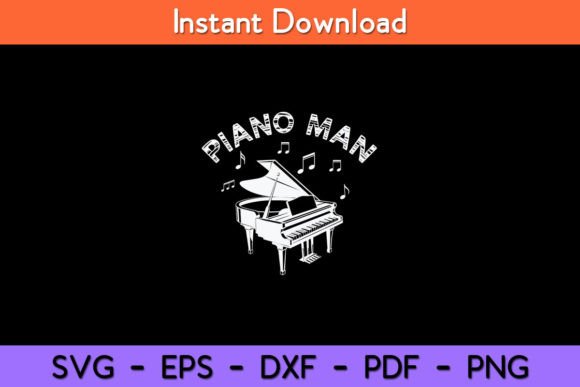
Baby Grand Piano Man Teacher Student Design Review
As a professional embroidery digitizer and product reviewer, I approach every new graphic with a specific question: will this actually stitch out cleanly on real fabric? When evaluating the Baby Grand Piano Man Teacher Student design, my focus shifts immediately from the screen to the hoop. This graphic carries a distinct nostalgic and educational weight, blending the elegance of a baby grand piano with the relational warmth of a teacher and student. For those of us in the Crafts industry creating tangible goods, this isn't just a cute picture; it is a potential centerpiece for music school merchandise, recital gifts, or studio branding. However, translating a digital SVG intended for cutting machines into a successful machine embroidery design requires careful scrutiny of line weight, negative space, and thematic balance.
First Impressions and Thematic Resonance
My initial assessment of the Baby Grand Piano Man Teacher Student centers on its visual hierarchy. The composition successfully balances the architectural curves of the piano against the organic shapes of human figures. In the world of Graphics, this is often where designs fail for textile application; too much detail gets lost in thread, or the figures look disconnected from the instrument. Here, the layout suggests a cohesive narrative rather than isolated clip art elements. The mood is respectful and artistic, making it suitable for mature audiences like adult learners or professional instructors, while still retaining enough whimsy for children’s music education products.
For an Etsy seller or boutique owner, this thematic versatility is valuable. It avoids looking generic. When I visualize this as a finished handmade product, I see it working exceptionally well on canvas tote bags for sheet music or as a left-chest logo on a studio uniform. The design possesses enough personality to stand alone without excessive text, which is crucial when you are limited by hoop size constraints. It feels like a premium asset that could elevate the perceived value of a personalized gift for a piano instructor or a graduating music student.
Real-World Application: Stitching the Narrative
To truly judge this file, I mentally placed it into a current client project: a series of custom aprons and tea towels for a local piano studio’s holiday fundraiser. In this scenario, the Baby Grand Piano Man Teacher Student needs to perform on varied textures. On a smooth cotton tea towel, the design has room to breathe. The keys of the piano and the facial features of the teacher and student require crisp definition. If this were converted into an applique design, the piano body could be a solid fabric piece, reducing stitch count and adding tactile interest. However, if stitched entirely as fill and satin stitches, the contrast between the black piano and the lighter clothing of the figures becomes paramount.
I also considered this design for sweatshirt embroidery. Fleece and French terry fabrics have a pile that can swallow fine details. In this context, the interaction between the teacher and student must remain legible despite the fabric texture. A successful embroidery project using this graphic on apparel would likely benefit from slightly bolder lines and open spacing. For a tote bag design, the durability of the stitch-out matters. Totes are washed frequently and subjected to friction. Ensuring the stitch density is adequate to cover the canvas weave without causing puckering is a critical step before mass production. This design’s balanced proportions suggest it can handle the structural demands of heavy-duty cotton if digitized with proper underlay.
Navigating Fabric Challenges and Technical Limits
While the Baby Grand Piano Man Teacher Student is visually appealing, certain applications demand caution. I would hesitate to use this design on highly stretchy performance wear or thin, silky fabrics without significant modification and stabilization. The combination of a dense piano shape and detailed human figures creates variable tension points. On unstable fabrics, this can lead to registration issues where the outlines do not meet the fill areas perfectly. Always verify your stabilizer choice; a cut-away backing is non-negotiable for knit garments to maintain the integrity of the teacher-student interaction over time.
Size reduction is another area requiring vigilance. While the SVG format allows infinite scaling on screen, thread has physical thickness. Shrinking this design to fit a 4x4 hoop or a cap brim might compromise the readability of the piano keys or the expressions on the faces. Small lettering or intricate musical notes associated with the graphic may turn into mud at miniature sizes. Before committing to a commercial embroidery run on caps or baby bibs, test the minimum viable size. Conversely, enlarging the design for a jacket back or pillow cover requires checking that the satin stitch columns do not exceed your machine’s maximum width, which could cause looping or breaking.
Enhancing Product Value and Customer Trust
The way we utilize the Baby Grand Piano Man Teacher Student directly impacts buyer engagement and trust. In the competitive landscape of digital product sellers and makers, presentation is everything. When creating a printable mockup or listing photo, ensure the embroidery looks realistic. Customers need to see how the thread colors interact. A high-contrast version on dark fabric and a pastel version for baby embroidery items demonstrates range. This builds confidence that the design is versatile and professionally vetted.
Furthermore, consistency in stitching quality establishes brand authority. If you are selling custom apparel or small shop products, a poorly executed complex design damages your reputation. Taking the time to refine the embroidery file specifically for your target fabric shows respect for the craft. Whether you are producing holiday embroidery for seasonal sales or year-round studio gear, the clarity of the teacher and student figures communicates professionalism. Buyers recognize when a design has been optimized for thread rather than just converted automatically from a vector file.
Essential Designer Notes for Success
Before you load the Baby Grand Piano Man Teacher Student into your machine or list it in your shop, adhere to these practical protocols:
- Verify Source Specifications: Since this product is marketed as an SVG for cutting machines, confirm whether an embroidery-specific file format (PES, DST, JEF) is included or if you must digitize it yourself. Never assume an SVG is stitch-ready without conversion.
- Test on Scrap Fabric: Always run a sew-out on the exact material you intend to use for the final finished product. Check for gaps, puckering, and detail loss.
- Evaluate Thread Contrast: Test the design in both monochrome and full color. Ensure the distinction between the piano, the teacher, and the student remains clear even if color matching isn't perfect.
- Check Licensing: Confirm the terms for commercial embroidery. Verify if you can sell physical items featuring this design or if it is restricted to personal use only.
- Mockup Realism: When creating marketing assets, use textured overlays to simulate thread sheen and fabric grain. Flat digital previews can mislead customers expecting a tactile embroidered patch or garment.
- Stabilizer Strategy: Match your backing to the fabric weight. Use tear-away for stable wovens and cut-away for knits to preserve the design's geometry.
- Detail Inspection: Zoom in on the digital file to identify any tiny elements that may need to be removed or simplified for smaller hoop sizes.
Ultimately, the Baby Grand Piano Man Teacher Student offers a rich opportunity for creators who value storytelling in their work. By approaching this graphic with technical discipline and creative foresight, you can transform a digital download into a cherished, high-quality embroidered heirloom or a best-selling boutique item. Respect the medium, test thoroughly, and let the music of the design translate beautifully into thread.