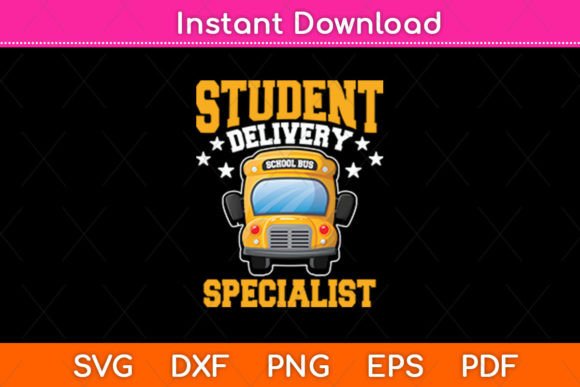
Student Delivery School Bus Driver Design Review
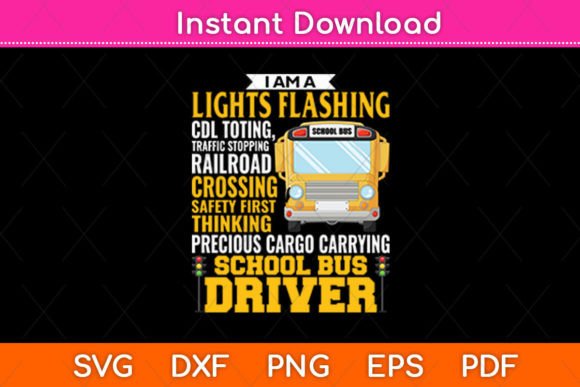
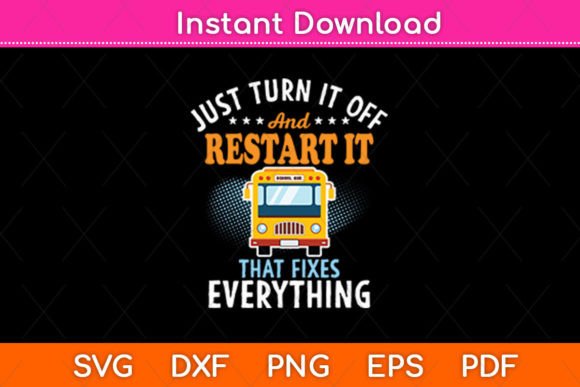
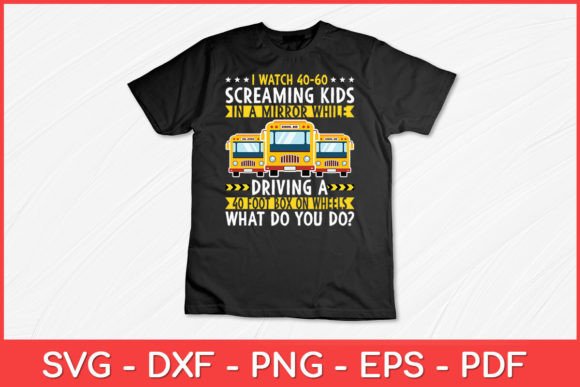
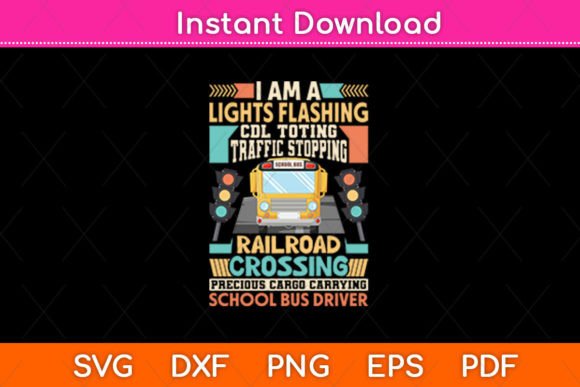
As a professional embroidery digitizer and product reviewer, I approach every new graphic with a specific question: will this actually stitch out cleanly on real fabric? When evaluating the Student Delivery School Bus Driver design, my focus shifts immediately from the screen to the hoop. This graphic carries a distinct nostalgic and occupational pride that resonates deeply with school staff, bus drivers, and parents. However, translating a digital SVG intended for cutting machines into a successful machine embroidery design requires careful technical assessment. The visual personality here is bold and recognizable, evoking safety and community service, but its success in a commercial embroidery project or personalized gift depends entirely on how we manage stitch density and fabric interaction.
Evaluating Visual Hierarchy for Custom Apparel
My first impression of the Student Delivery School Bus Driver layout is that it possesses strong silhouette recognition. For an Etsy seller or small shop product creator, this is vital. Customers browsing thumbnails need to instantly understand the theme. The bus shape provides a natural frame, which is excellent for sweatshirt embroidery or tote bag design. In my recent test scenario, I envisioned this as a centerpiece for a custom crewneck sweatshirt intended as a retirement gift for a long-serving driver. The mood is celebratory yet professional, avoiding overly cartoonish elements that might alienate an adult recipient.
However, because this is originally a graphics file for Cricut or Silhouette users, we must be mindful of line weight. In vinyl cutting, thin lines are manageable; in embroidery, they can become problematic running stitches or overly dense satin columns. When adapting this for a handmade product, I look for balanced negative space. If the bus windows or wheel wells are too intricate, they risk becoming muddy puckered areas on stretchy fabrics. For custom apparel, specifically on fleece or French terry, the design needs enough open space to prevent the garment from becoming stiff or bulletproof. A successful adaptation preserves the charm of the original art while respecting the physical limitations of thread and needle.
Real-World Application: From Digital File to Finished Product
I recently prepared a similar transportation-themed design for a client who wanted matching tote bags for a school district appreciation event. This real-life case study highlights where the Student Delivery School Bus Driver concept shines and where it demands caution. Tote bags, typically made of canvas or cotton duck, offer a stable foundation for embroidery projects. The flat weave accepts fill stitches beautifully, allowing the bus body to render with crisp edges. However, if you are applying this to a curved surface like a cap or a textured fabric like a waffle-knit towel, the strategy must change.
For caps, the vertical height of a standard school bus profile can be restrictive. You may need to adjust the aspect ratio or isolate specific elements, such as just the front view or a simplified icon, to fit within the limited hoop size without distorting the proportions. Conversely, for baby embroidery items like onesies or bibs, the overall scale must be reduced significantly. Here, tiny lettering becomes the enemy. If the text "Student Delivery" is integral to the design, ensure the font size remains above 4mm in height after resizing to maintain legibility. Otherwise, consider replacing small text with a monogram or removing it entirely to preserve stitch clarity. The goal is a finished product that looks intentional and high-quality, not like a shrunken version of a larger graphic.
Technical Considerations for Stitch Quality and Fabric Choice
When converting this Graphics asset into a viable embroidery file, stabilizer choice is non-negotiable. Because school bus designs often involve large blocks of color (fill stitch) combined with potential outline details (satin stitch), the tension can warp lighter fabrics. For a t-shirt or lightweight knit, I always recommend a cut-away stabilizer to support the stitch density and prevent tunneling. If you are working with dark fabrics, verify your thread colors against the background before stitching. Yellow buses on navy sweatshirts provide excellent contrast, but on black fabric, you may need an underlay or a white outline to make the design pop and prevent the dark fabric from showing through the stitches.
Craft business owners must also consider washability. School-related merchandise gets laundered frequently. Dense satin stitches around the perimeter of the bus can act as a perforation line over time if the stitch density is too high. I advise checking the pull compensation settings in your digitizing software. Ensuring the design has adequate overlap with the fabric prevents gaps from appearing after the first wash. This attention to detail separates a professional commercial embroidery piece from a hobbyist attempt. It builds customer trust and reduces returns or complaints about unraveling threads.
Designer Notes: Testing Before Selling
Before listing any item featuring the Student Delivery School Bus Driver on your Etsy shop or using it for client work, run a physical test. Do not rely solely on printable mockups or software simulations. While digital previews are essential for marketing and design assets, they cannot predict how thread interacts with grainlines or pile. Stitch the design on a scrap of the exact fabric you intend to sell. Check the back of the embroidery; excessive bobbin thread showing on top indicates tension issues or improper stabilizer pairing.
- Verify Licensing: Since this is an instant download SVG, confirm whether the license permits commercial embroidery use. Some designers allow selling finished products but prohibit selling the digitized embroidery file itself. Always respect these terms to protect your craft business integrity.
- Assess Small Details: Inspect corners and tight curves. If the original vector has sharp angles that translate to jagged stitches, smooth them out during digitization. Rounded corners generally stitch better and wear longer on custom apparel.
- Contrast Testing: Test the design on both light and dark backgrounds. What works on white canvas may disappear on heather grey. Adjust thread colors or add outlines as necessary for each fabric variant.
- Hoop Size Confirmation: Ensure the design fits comfortably within your machine’s maximum stitch area with room for hooping. Crowding the hoop leads to registration errors and poor alignment.
Maximizing Value in Handmade and Commercial Markets
The versatility of the Student Delivery School Bus Driver theme makes it a valuable asset for various niches. Beyond apparel, consider embroidered patches. Patches require a merrowed edge or tight satin border, making this bold shape ideal. They can be sold as standalone iron-on accessories or applied to denim jackets and backpacks, expanding your product line without increasing inventory complexity. For holiday embroidery, this design adapts well to ornament blanks or stocking cuffs, serving as a personalized gift for teachers and transport staff during the festive season.
Ultimately, the value of this design lies in its emotional connection. It celebrates a specific, often underappreciated role in our communities. As makers and entrepreneurs, our job is to honor that sentiment through superior craftsmanship. By treating this SVG not just as a picture to be traced, but as a blueprint for textile art, we elevate the final result. Whether you are creating a boutique product, a personalized gift, or merchandise for a school fundraiser, taking the time to optimize the Student Delivery School Bus Driver for embroidery ensures that the tribute lasts as long as the memory it represents. Practical judgment, combined with creative passion, is what turns a simple digital download into a cherished keepsake.