I Am a Lights Flashing CDL Toting School Bus Design Review
As an embroidery digitizer and product reviewer, I approach every new graphic with a specific question: will this actually stitch out cleanly on real fabric? When evaluating the I Am a Lights Flashing CDL Toting School design, my focus shifts immediately from the screen to the hoop. This graphic carries a distinct personality that resonates deeply with a niche audience, but translating that bold statement into a tangible handmade product requires careful consideration of stitch types, fabric choices, and end-use durability.
Capturing the CDL Driver Spirit in Thread
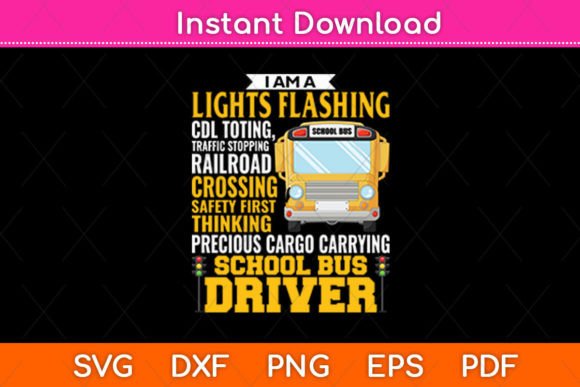
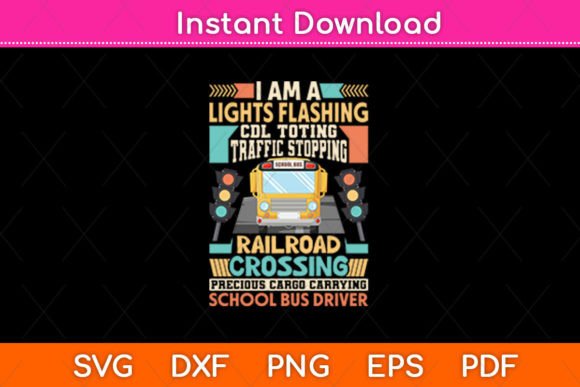
The first impression of this design is one of professional pride mixed with playful specificity. It is not merely a generic bus icon; it targets the Commercial Driver’s License holder who takes ownership of their role. Visually, the layout suggests a balance between text and imagery that works well for custom apparel and accessories. The phrase "Lights Flashing" implies movement and urgency, which translates beautifully when rendered with high-contrast thread colors. For an Etsy seller or craft business owner, this specificity is gold. General school bus designs are everywhere, but a CDL-specific reference creates an instant connection with buyers looking for accurate representation of their career.
However, as a designer, I look at the negative space and lettering weight. The typography appears bold enough to support satin stitch borders without losing legibility, yet the overall composition must be evaluated for density. If the original file is primarily an SVG intended for cutting machines like Cricut or Silhouette, converting it for needle and thread requires verifying that fine details won't get lost. A successful embroidery project using this theme relies on maintaining that confident, readable silhouette even after the fabric shifts during stitching.
Real-World Application: The Heavy-Duty Tote Bag Test
To truly judge the viability of I Am a Lights Flashing CDL Toting School, I mentally place it on a canvas tote bag. This is a quintessential item for drivers who need to carry paperwork, snacks, and personal items. Canvas provides a stable base, but its texture can swallow small details. In this scenario, I would prioritize a combination of fill stitch for larger color blocks and reinforced running stitch for outlining to ensure the design pops against the woven grain.
If I were producing this as a personalized gift for a driver appreciation event or a boutique product line, I would test the design on both natural and dark-colored canvas. On darker fabrics, the "lights flashing" element offers a creative opportunity to use neon or reflective threads, adding functional visibility and aesthetic flair. However, this also increases stitch density. Too much coverage on a tote handle area can make the bag stiff and uncomfortable to carry. As a reviewer, I advise keeping the central design area compact enough to avoid interfering with the bag's structural seams while remaining large enough to be recognized from a distance.
Navigating Fabric Challenges and Hoop Limitations
Not every substrate is friendly to detailed graphics. While this design shines on sturdy cottons and canvas, applying it to stretchy knit fabrics like t-shirts or sweatshirts demands caution. Knits move. If the embroidery file has not been properly stabilized or digitized with pull compensation, the "CDL Toting" text could distort, making the professional message look amateurish. Always use a cut-away stabilizer for these applications to maintain registration between the text and the graphical elements.
Furthermore, consider the hoop size limitations. This design likely contains horizontal text that requires adequate width. If you are working with a smaller 4x4 hoop, you may need to resize or reformat the layout. Shrinking complex text below a certain threshold risks thread breaks and illegibility. For baby embroidery or smaller items like caps, verify that the intricate parts of the bus illustration can be simplified without losing the "flashing lights" identity. Caps present an additional challenge due to curvature; flat designs often warp on curved surfaces unless specifically digitized for headwear. Always run a sew-out test on scrap fabric that matches your final product's weight and weave before committing to a full production run.
Commercial Viability and Customer Trust
For those running a small shop product line or selling on platforms like Etsy, the presentation of this design matters as much as the stitch quality. Customers in the CDL niche are knowledgeable; they spot inaccuracies instantly. Using I Am a Lights Flashing CDL Toting School correctly signals that you understand their world. This builds trust and justifies a higher price point for commercial embroidery services. When creating printable mockups or digital previews, ensure the lighting and texture accurately represent how the threads will interact. A flat digital image does not convey the sheen of rayon or the matte finish of polyester, so providing photos of actual stitched samples is crucial for buyer engagement.
Value perception also ties into durability. School bus drivers wash their gear frequently. If the design uses excessive jump stitches or lacks proper locking stitches, it will unravel after a few industrial laundry cycles. Reviewing the digital embroidery file for clean trims and secure tie-offs is a non-negotiable step for any serious apparel decorator. A design that looks great fresh off the machine but fails after washing damages your brand reputation far more than any marketing copy can repair.
Essential Designer Notes for Safe Execution
Before loading this design into your machine, adhere to these practical checkpoints to ensure professional results:
- Verify File Compatibility: Since the source description highlights SVG formats for cutting machines, confirm you have a true embroidery format (PES, DST, EXP, etc.) or have professionally digitized the vector art. Do not assume an auto-digitized SVG will yield acceptable stitch quality.
- Check Licensing Terms: Instant download files vary widely in usage rights. Confirm whether the license permits commercial embroidery on finished products versus just personal use. Respecting intellectual property protects your business.
- Test Stitch Density: Run a sample on your intended fabric. If the design feels bulletproof or puckers excessively, adjust the density settings or switch to a lighter stabilizer.
- Evaluate Text Legibility: Ensure all lettering remains readable at your chosen size. Serif fonts or thin scripts often fail in embroidery; sans-serif or block letters usually perform better for this theme.
- Contrast Check: View the design in grayscale before stitching. If the values blend together, change thread colors to improve definition, especially for the flashing light elements.
- Mockup Accuracy: Use realistic textures in your design assets to set proper customer expectations regarding sheen and dimension.
Ultimately, I Am a Lights Flashing CDL Toting School represents a fantastic opportunity for makers to serve a passionate community. By treating the file not just as a graphic but as a blueprint for physical construction, you elevate your work from simple crafting to professional manufacturing. Whether you are creating a holiday gift, a fleet uniform, or a bestseller for your online store, success lies in respecting the interplay between digital art and textile reality. Take the time to test, adjust, and verify, and your finished embroidery will honor the hardworking drivers it celebrates.