Luckiest School Nurse Ever Shirt SVG PNG Review
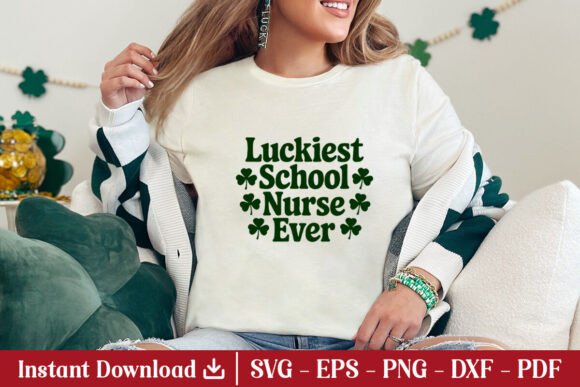
As a professional embroidery designer and product reviewer, I approach every new digital asset with a critical eye toward production viability. When evaluating the Luckiest School Nurse Ever Shirt SVG PNG, my primary concern is not just how the graphic looks on a screen, but how it translates into a tangible, stitched reality. This design package arrives as a comprehensive ZIP folder containing SVG, DXF, PNG, EPS, and PDF files. While the product description highlights these formats as perfect for shirt printing, my assessment focuses on their utility for machine embroidery designers, apparel decorators, and small business owners who need versatile graphics that perform across multiple mediums.
First Impressions and Visual Hierarchy
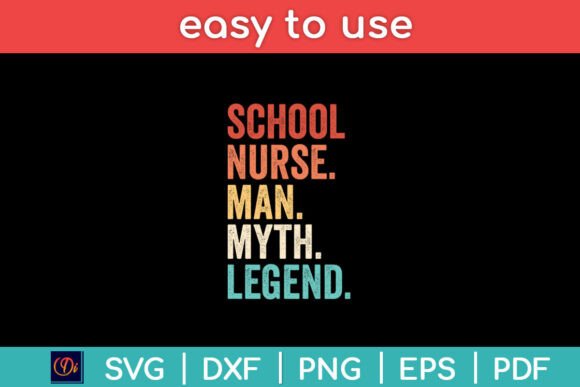
Upon extracting the files, the immediate strength of this design lies in its clear visual hierarchy. For an embroidery project to succeed, the artwork must have distinct separation between elements. The "Luckiest School Nurse Ever" theme carries a specific emotional weight—it is celebratory, appreciative, and warm. Visually, the layout appears balanced enough to serve as a central focal point on custom apparel without feeling cluttered. This balance is crucial when converting vector graphics into stitch files. A design that is too dense or intricate can become a bulletproof patch on fabric, while one that is too sparse may lack impact.
The inclusion of both SVG and EPS files is a significant advantage for digitizers. These vector formats allow us to manipulate individual nodes before assigning stitch types. If I were preparing this for a sweatshirt embroidery project, I could easily scale the text to accommodate a larger hoop size without losing edge definition. Conversely, the transparent PNG serves as an excellent reference layer or a printable mockup tool for Etsy sellers who want to showcase potential finished products before committing to stitching samples.
Real-World Application: The Custom Sweatshirt Scenario
To truly evaluate this asset, I applied it to a real-life scenario: creating a premium crewneck sweatshirt for a school nurse appreciation gift. This context tests the design’s versatility because sweatshirts present unique challenges compared to standard t-shirts. The fleece texture and fabric thickness require careful consideration of stitch density and stabilizer choice.
In this application, the Luckiest School Nurse Ever Shirt SVG PNG acted as the foundational blueprint. Because the original files are optimized for print, I had to interpret the lines for needle and thread. The bold lettering typical of this style lends itself beautifully to satin stitch columns, which provide that classic, raised embroidery look. However, the spacing between letters required adjustment during the digitizing phase to prevent tunneling on the knit fabric. This is where having the source vector file becomes indispensable; rather than tracing a raster image, I could adjust the kerning directly to ensure the embroidered patch would lie flat and remain comfortable against the skin.
For the decorative accents often associated with nurse-themed graphics, such as hearts or medical symbols, I opted for a combination of fill stitch and running stitch details. This mixed-media approach reduces overall stitch count, keeping the garment soft and wearable—a key factor for customer satisfaction in handmade products. The result was a personalized gift that felt professional rather than homemade, validating the design's commercial potential for boutique branding and craft business merchandise.
Technical Considerations for Embroidery Success
While the graphic assets are high quality, users must understand that print-ready files differ from embroidery-ready files. If you are an Etsy seller or hobbyist planning to use this design for machine embroidery, please note that the provided ZIP does not contain pre-digitized stitch files like PES or DST. You will need to digitize the SVG or EPS yourself or hire a professional digitizer. This distinction is vital for managing expectations and avoiding machine errors.
When adapting this design for different substrates, consider the following technical constraints:
- Fabric Texture and Stability: On textured fabrics like terry cloth towels or caps, fine details can get lost. Use a water-soluble topping to keep stitches visible and crisp.
- Hoop Size Limitations: Always confirm your hoop size before finalizing placement. This design likely requires at least a 4x4 inch area for legibility, but check the specific dimensions of the vector art to avoid resizing distortion.
- Stitch Density Management: Since this is originally a print graphic, solid areas may be too large for efficient stitching. Break up large color blocks with texture or negative space to reduce puckering on stretchy fabrics.
- Thread Color Contrast: Test thread colors against the garment base. White thread on white fabric relies entirely on shadow and texture; consider using a contrasting outline or a darker shade for better recognition.
Navigating Fabric Challenges
Certain applications demand extra caution. If you are placing this design on a curved surface like a cap, the horizontal span of the text may need to be arched or segmented to fit the crown properly. For baby embroidery or items requiring frequent washing, avoid long satin stitches that can snag. Instead, utilize tatami fills or applique design techniques to secure the edges. The DXF file included in the package can be particularly useful here, as some specialized embroidery software imports DXF geometry more cleanly than SVG for complex shape manipulation.
Dark fabrics present another variable. The transparent PNG is invaluable for creating digital previews on dark backgrounds, allowing clients to approve color schemes before you thread a single needle. In physical production, ensure your underlay is sufficient to prevent the fabric color from bleeding through light thread, especially if the design includes white elements on a navy or black scrub top.
Commercial Viability and Brand Consistency
For creative entrepreneurs and small shop owners, consistency builds trust. The Luckiest School Nurse Ever Shirt SVG PNG offers a cohesive aesthetic that can extend beyond a single shirt. I envision this design working seamlessly across a coordinated collection: matching tote bag designs for carrying supplies, tea towels for breakrooms, or even holiday embroidery ornaments for staff gifts. The vector nature of the included files ensures that whether you are printing a vinyl decal or stitching a 5-inch emblem, the line weight and proportions remain consistent.
This consistency directly impacts perceived value. Customers recognize professionalism when branding elements align across different products. Furthermore, the ability to generate high-quality printable mockups using the included PNG allows for effective marketing on social media and e-commerce platforms without the upfront cost of producing physical inventory for every variation.
Essential Designer Notes Before Production
Before listing any finished product or selling digital derivatives, adhere to these best practices:
- Verify Licensing: Confirm the specific commercial license terms included with your purchase. Ensure you are permitted to sell finished embroidered goods or modified digital assets.
- Test Stitch First: Never run a production batch without a sew-out on the actual target fabric. Check for registration issues, thread breaks, or excessive density.
- Inspect Small Details: Text smaller than 0.25 inches often fails in embroidery. Simplify or remove tiny elements that cannot be rendered clearly with standard 40-weight thread.
- Mockup Validation: Use the transparent PNG to test layouts on various garment colors digitally. This helps identify contrast issues early.
- Stabilizer Selection: Match your stabilizer to the fabric weight. Cut-away for knits and sweatshirts; tear-away for stable wovens. Proper stabilization is non-negotiable for professional results.
Ultimately, the Luckiest School Nurse Ever Shirt SVG PNG is a robust starting point for makers who possess the skills to bridge the gap between digital graphics and textile art. Its multi-format delivery supports both print and stitch workflows, making it a valuable asset for diverse crafting businesses. By respecting the technical requirements of embroidery and leveraging the flexibility of the vector files, you can transform this digital download into high-quality, meaningful products that resonate with nurses and gift-givers alike. Always prioritize testing and fabric-specific adjustments to ensure your handmade products meet the highest standards of durability and aesthetic appeal.