Science Teacher Afro Messy Bun SVG Review
As a professional embroidery designer and product reviewer, I approach every new digital asset with a critical eye for how it will actually perform under the needle. When evaluating the Science Teacher Afro Messy Bun SVG, my first thought isn't just about the cute aesthetic; it is about the structural integrity of the design when translated from a screen to fabric. This graphic sits at a unique intersection of identity and profession, capturing a specific mood that resonates deeply with educators. However, because this listing is primarily described as a digital cutting file for Cricut or Silhouette machines, any maker intending to use this for embroidery must exercise due diligence. The transition from a vinyl-cutting vector to a machine embroidery design requires careful assessment of stitch paths, density, and fabric compatibility before you commit to a commercial run or a personalized gift.
First Impressions and Visual Personality
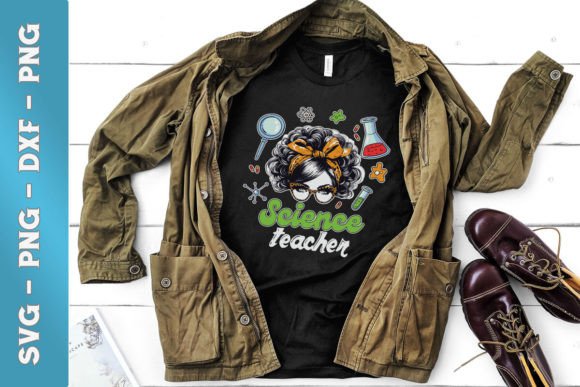
The visual appeal of the Science Teacher Afro Messy Bun SVG is immediate. It balances professional pride with relatable, human warmth. The silhouette suggests movement and personality, which is excellent for branding but presents specific challenges for digitizing. In the realm of Crafts and Graphics, this style is trending heavily because it moves away from sterile clip art toward authentic representation. For an Etsy seller or boutique owner, this design signals inclusivity and niche specificity. From a design perspective, the "messy bun" element implies organic curves and varying line weights. If you are converting this SVG into an embroidery file, those curves need to be smooth. Jagged nodes in the original vector will result in jerky satin stitches or uneven fill areas. The science elements—likely beakers, atoms, or glasses integrated into the hair or background—must remain distinct at smaller sizes. If these details are too intricate, they risk becoming thread blobs rather than recognizable icons on a finished product.
Real-World Application: The Custom Sweatshirt Test
To truly judge this asset, I envision a real-life scenario: creating a custom embroidered sweatshirt for a high school chemistry teacher’s appreciation gift. Sweatshirts are a staple for craft business owners, but the fleece texture can swallow fine details. In this context, the Science Teacher Afro Messy Bun SVG needs to hold its own against the fabric pile. If I were stitching this out, I would immediately check the contrast between the afro texture and the sweatshirt color. On a dark navy garment, using a solid black thread for the hair might create a visual void where the definition disappears. A medium brown or textured fill stitch would provide necessary separation.
Furthermore, the placement matters. On a crewneck sweatshirt, center chest placement is standard, but the aspect ratio of a messy bun design is often taller than it is wide. You must confirm your hoop size accommodates the vertical span without distorting the proportions. If the design includes text like "Science Teacher," the font choice in the embroidery version is critical. Thin, trendy script fonts seen in cutting files often fail in embroidery due to insufficient column width. For this project, I would recommend testing a modified running stitch or a thicker satin column to ensure legibility after washing. This level of foresight separates a hobbyist attempt from a professional handmade product that builds customer trust.
Navigating Fabric Variables and Technical Constraints
While the Science Teacher Afro Messy Bun SVG has broad appeal, certain applications require caution. I advise against using this design on highly stretchy performance fabrics or thin baby clothes without significant modification. The density required to render the volume of an afro hairstyle can create a stiff, bulletproof patch effect on lightweight cotton onesies. For baby embroidery, safety and comfort are paramount; a dense design could irritate delicate skin or weigh down the garment. Instead, reserve this graphic for structured items like tote bags, aprons, or canvas patches where the stabilizer can support the stitch count without compromising the drape of the item.
Textured fabrics like terry cloth tea towels or waffle-weave kitchen linens also present hurdles. The intricate details of science imagery can get lost in the weave. If you plan to use this for holiday embroidery on kitchen textiles, consider an applique design approach. Using fabric for the main shape of the bun and reserving thread only for the outline and science accents reduces stitch density and allows the base fabric texture to complement rather than compete with the design. Always verify that your digital embroidery file has adequate underlay; without it, the design may sink into plush fabrics, rendering the teacher’s features unrecognizable.
Commercial Viability and Brand Consistency
For creative entrepreneurs and small shop products, consistency is currency. The Science Teacher Afro Messy Bun SVG offers strong brand recognition potential, but only if executed professionally across different merchandise. If you sell both printed mugs and embroidered caps, the design needs to translate effectively between mediums. Caps are particularly unforgiving due to their curved surface and limited vertical stitching area. A tall messy bun design might need to be resized or re-digitized specifically for headwear to prevent puckering or registration errors near the brim.
When listing finished items on platforms like Etsy, your printable mockup should accurately reflect the limitations of embroidery. Do not show a crisp, flat vector image if the actual stitched product has texture and dimension. Buyers appreciate honesty. Use photos of actual test stitches to demonstrate how the thread colors interact with the fabric. This transparency enhances perceived value and reduces return rates. Additionally, if you are selling the digital assets themselves, clearly distinguish between the cutting file and any embroidery formats you have created. Confusion here leads to negative reviews from buyers who assume an SVG is ready-to-stitch. Clarifying that this is a source file for conversion protects your reputation as a reliable digital product seller.
Essential Designer Notes for Success
Before you load this design into your machine or list it in your shop, adhere to these practical guidelines derived from professional experience:
- Verify File Compatibility: Since the product description specifies this is a cutting file for Cricut or Silhouette, you must convert it to an embroidery format (PES, DST, JEF, etc.) using digitizing software. Do not assume it comes with stitch data unless explicitly stated.
- Test Stitch on Scrap Fabric: Never run a new design directly on a final product. Test the Science Teacher Afro Messy Bun SVG on a scrap of the exact material and stabilizer combination you intend to use. Check for gaps, puckering, and detail clarity.
- Evaluate Stitch Density: Inspect the afro section specifically. If the digitizer used a heavy fill stitch, it may be too dense for apparel. Adjust the density or change to a cross-hatch pattern to maintain garment softness.
- Check Licensing Terms: Confirm whether the license permits commercial embroidery of finished goods versus selling the digital file itself. These rights are rarely identical.
- Assess Small Details: Zoom in on the science elements. If atoms or molecular structures are smaller than 4mm, they likely cannot be embroidered cleanly. Simplify or remove them to preserve the integrity of the overall design.
- Thread Color Contrast: Create a black-and-white mockup of your thread palette. If the design relies solely on color contrast rather than value contrast, it will fail on grayscale or low-light photography.
- Stabilizer Selection: Match the stabilizer to the fabric weight. Use cut-away for knits and tear-away for stable wovens. For the messy bun shape, a topping might be necessary on high-pile fabrics to keep stitches visible.
Ultimately, the Science Teacher Afro Messy Bun SVG is a culturally relevant and commercially viable asset for the right maker. Its success in embroidery depends entirely on your willingness to treat it as a starting point rather than a final destination. By respecting the technical requirements of thread and fabric, you transform a simple digital graphic into a cherished, high-quality embroidered piece that honors the profession it represents.