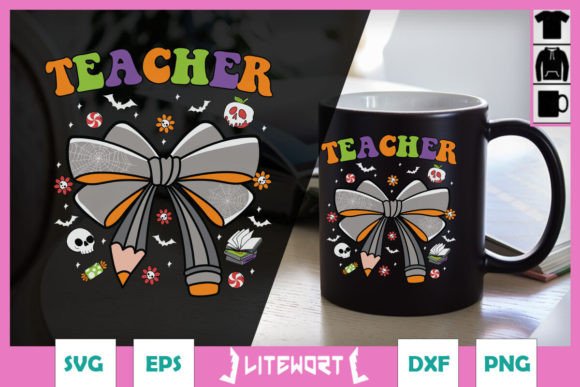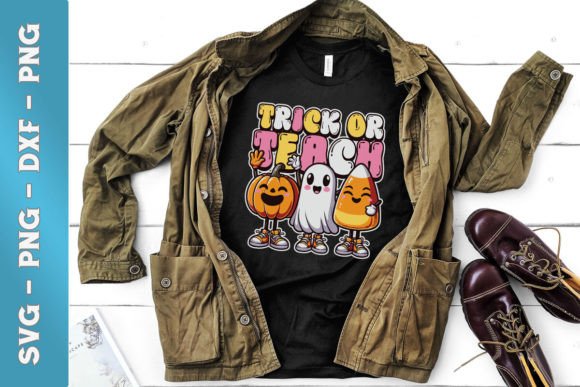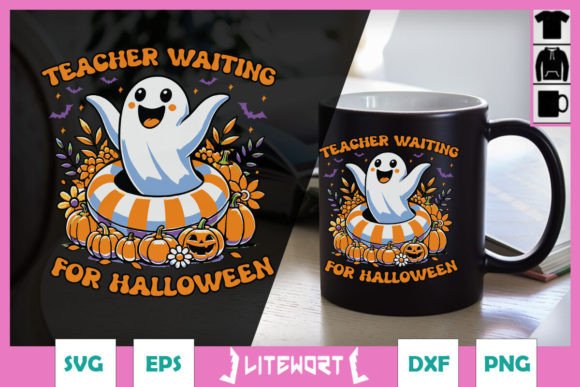
Teacher Waiting for Halloween SVG: A Stitch Test
First Impressions: Capturing the Seasonal Teacher Mood
As an embroidery designer who has digitized and stitched out countless seasonal graphics, I approach every new file with a critical eye. When I first loaded the Teacher Waiting for Halloween SVG into my software, I wasn't just looking at lines and nodes; I was evaluating whether this design could translate from a screen to a tangible, high-quality handmade product. The immediate impression is one of relatable humor and seasonal anticipation. For those of us in the Crafts industry, specifically targeting educators, capturing that specific "counting down the days" mood is essential. This graphic succeeds because it balances whimsy with clarity, avoiding the cluttered aesthetic that often plagues holiday-themed Graphics.
The layout feels intentionally structured for apparel rather than being a generic clipart afterthought. As a reviewer, I look for designs that respect the grain of the fabric and the limitations of thread. This design appears to have been created with the end embroidery project in mind. It possesses a visual personality that suggests it would sit perfectly on a relaxed-fit sweatshirt or a sturdy canvas tote, rather than getting lost on a dense, formal garment. For an Etsy seller or small shop owner, this distinction matters. You aren't just selling a spooky image; you are selling a feeling of camaraderie among teachers who love the fall season.
Real-World Application: The Sweatshirt Stress Test
To truly evaluate this asset, I mentally placed it in a real-life production scenario: creating a custom crewneck sweatshirt for a teacher appreciation gift or a boutique fall collection. Sweatshirts are the gold standard for this niche, but they present unique challenges for machine embroidery design. Fleece and French terry fabrics have texture and stretch, which can distort delicate details.
In this context, the Teacher Waiting for Halloween SVG shows promise. Because the purchase includes an SVG format ready-to-import and pre-sized for cups, we know the proportions are scalable. However, for a sweatshirt, I would utilize the PNG with its high-resolution detail and transparent background as a primary reference for color separation and placement. When stitching on fleece, I always advise checking if the design relies heavily on thin running stitch elements. If so, you must ensure your stitch density is sufficient to prevent the thread from sinking into the fabric pile. This design’s bold shapes suggest it will hold up well against textured backgrounds, provided you use the correct stabilizer. A medium-weight cutaway stabilizer is non-negotiable here to maintain registration and prevent the "waiting teacher" motif from warping after washing.
For commercial embroidery businesses fulfilling bulk orders for school staff, this design offers excellent versatility. It translates easily from a digital preview to a physical sample. When creating a printable mockup for client approval, the included PNG allows for crisp, professional presentations that build buyer confidence before a single needle pierces fabric.
Navigating Fabric Constraints and Hoop Limitations
While the design is versatile, experienced makers know that not all substrates are created equal. I must emphasize caution when applying this design to specific materials. If you are planning baby embroidery or items using lightweight cotton voile, the stitch count and density inherent in detailed character designs might be too heavy, causing puckering or tearing. Always test on scrap fabric first. Similarly, dark fabrics require careful consideration of underlay stitches to ensure the top thread colors pop without the fabric showing through.
Curved surfaces like caps present another hurdle. While the SVG is pre-sized for cups, cylindrical tumblers differ significantly from the curved brim of a hat. Before attempting this as a sweatshirt embroidery or cap design, verify the dimensions against your specific hoop size. Distorting a design to fit a 4x4 hoop when it was optimized for a larger area can ruin the aspect ratio and legibility. For small shop product lines, consistency is key. If you offer this on both mugs and apparel, ensure the visual weight remains balanced across different mediums.
I also recommend exercising care with layered garments or items requiring frequent industrial washing, such as classroom aprons. Ensure any satin stitch borders are secure and properly anchored. Loose threads on a finished product that sees daily wear will lead to returns and negative reviews. For tote bag design applications on unstructured canvas, use a tear-away stabilizer combined with spray adhesive to keep the fabric taut and the design flat.
Elevating Perceived Value and Brand Trust
In the saturated market of digital embroidery file sales and handmade goods, technical execution defines perceived value. A poorly stitched design screams "amateur," regardless of how cute the concept is. The Teacher Waiting for Halloween SVG provides the foundation for a premium product, but the execution relies on your settings. High-resolution detail in the source PNG means you have a reliable roadmap for thread selection. Matching your physical threads to the digital proof ensures brand consistency, which is vital for craft business growth.
Customer trust is built when the personalized gift or retail item looks exactly like the listing photo. By utilizing the DXF file (included in your purchase) for cutting machines if you are doing appliqué, or the SVG for direct import, you streamline your workflow. Efficiency allows you to focus on quality control. When a customer receives an embroidered patch or custom tee where the teacher’s expression is crisp and the lettering is legible, they recognize the professionalism. This recognition drives repeat business and word-of-mouth referrals in the teacher community.
Essential Designer Notes for Success
Before you list this as a holiday embroidery staple or stitch it for a client, run through this practical checklist derived from professional testing:
- Verify Licensing: Confirm whether your purchase allows for selling finished physical products versus reselling the design assets themselves. Never assume commercial rights for digital resale.
- Test Stitch-Out: Always run a test on the exact fabric you intend to use. Check for registration issues between fill areas and outlines.
- Contrast Check: View the design in black and white within your software to ensure internal details rely on stitch direction and texture, not just color changes.
- Stabilizer Selection: Match the stabilizer weight to the fabric. Stretchy knits need cutaway; woven cottons can often use tear-away.
- Mockup Accuracy: Use the high-res PNG to create realistic previews. Avoid misleading customers with flat digital images that don't represent actual stitch texture.
- Size Verification: Even though it is pre-sized for cups, measure your specific blank. A 20oz skinny tumbler requires different scaling than a standard mug.
Ultimately, the Teacher Waiting for Halloween SVG is a strong contender for your seasonal lineup. It bridges the gap between digital convenience and physical craftsmanship. Whether you are an apparel decorator fulfilling school spirit orders or a hobbyist making gifts for colleagues, success lies in respecting the technical requirements of machine embroidery. Treat this file as a professional component of your production process, validate its performance on your specific equipment, and you will create custom apparel and gifts that teachers will proudly wear long after Halloween has passed.