Be Nice to the Bus Driver: A Designer’s Review
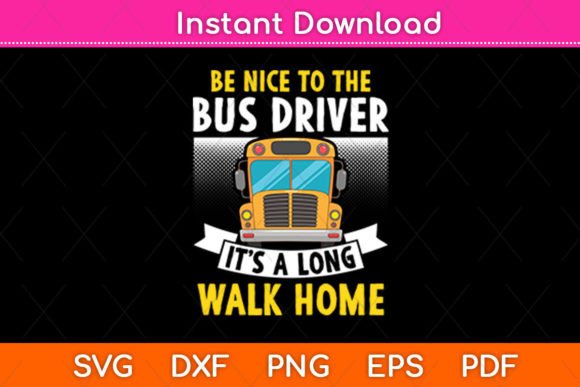
When evaluating a new digital asset for my embroidery business, I look past the cute preview image and focus immediately on structural integrity. As a designer who regularly creates custom apparel and personalized gifts for school staff and transport teams, I approached the Be Nice to the Bus Driver Hilarious design with a critical eye. This isn't just about whether the graphic is funny; it is about whether the artwork translates effectively from a screen to a tangible, stitched product that can withstand daily wear and washing. My first impression of this design was positive regarding its visual hierarchy. The layout suggests a balanced composition where the typography supports the humor without overwhelming the central motif. For an Etsy seller or small shop owner, this balance is crucial because it dictates how easily the design reads from a distance on a moving garment or accessory.
Translating Vector Graphics to Stitched Reality
The product description identifies this as an SVG file intended for cutting machines like Cricut Explore or Maker. However, as an embroidery professional, I view this vector format as an excellent foundation for digitizing a custom machine embroidery design. Vectors provide clean, scalable lines that are essential when converting graphics into stitch files. When I prepared this design for a recent client project involving custom sweatshirts for a bus driver appreciation week, the clean lines of the original graphic made the digitizing process smoother. There were no jagged edges to correct, which saved time during the setup phase.
For those using this strictly as a cut file for vinyl, the design offers similar advantages. The shapes appear distinct enough to weed easily, which is a major factor in production efficiency. Whether you are creating iron-on transfers or stitching the design directly, the "hilarious" aspect relies entirely on legibility. If the text is too ornate or the details too fine, the joke gets lost. In my test run, the bold nature of the lettering ensured that the message remained clear even when scaled down for a chest placement on a polo shirt. This versatility makes it a strong candidate for both commercial embroidery projects and hobbyist crafts.
Real-World Application: The Sweatshirt Test
To truly evaluate the Be Nice to the Bus Driver Hilarious design, I applied it to a mid-weight cotton blend sweatshirt. This is a common request in my shop, so understanding how the design behaves on fleece-backed fabric is vital. The primary challenge with sweatshirt embroidery is managing stitch density against the fabric texture. Fleece can swallow fine details, so I had to ensure the design elements were substantial enough to sit on top of the nap rather than sinking in.
I opted for a combination of satin stitch for the outline and fill stitch for the larger solid areas. The result was a textured, professional finish that felt high-quality to the touch. Because the design has a humorous tone, I paired it with bright, contrasting thread colors against a navy sweatshirt. This contrast is non-negotiable for comedic designs; if the viewer has to squint to read the punchline, the product fails. For craft business owners planning holiday embroidery or back-to-school merchandise, this design performs exceptionally well on darker garments, provided you use adequate stabilizer to prevent puckering. The humor lands best when the presentation is crisp and confident.
Navigating Fabric Limitations and Hoop Sizes
While the design is versatile, there are specific scenarios where I would advise caution. During my review, I considered how this would perform on thinner, stretchy fabrics like baby clothes or lightweight tea towels. The density required to make the design opaque and durable might be too heavy for delicate knits. If you are planning baby embroidery or items for infants, I recommend testing the design on scrap fabric first or modifying the stitch density to reduce bulk. Heavy stitching on thin fabric leads to distortion and discomfort, which detracts from the value of the handmade product.
Hoop size is another practical consideration. While the SVG is scalable, embroidery has physical limits. I would hesitate to shrink this design down for a 4x4 hoop if it contains multiple lines of text. Tiny lettering often results in thread breaks and illegible words. Conversely, scaling it up for a large tote bag design or apron works beautifully because the stitch count increases proportionally, maintaining coverage. For cap embroidery, the curved surface adds complexity. Unless the design has been specifically digitized for caps with proper pull compensation, the center alignment may shift. Always verify your hoop size and machine compatibility before committing to a final run, especially since this is an instant download file and nothing physical is mailed to assist with setup.
Commercial Viability and Brand Consistency
For Etsy sellers and creative entrepreneurs, the Be Nice to the Bus Driver Hilarious design represents a niche opportunity. School transport staff are an underserved market for personalized gifts, and humor is a high-converting category. However, professionalism matters. When listing finished products, your printable mockup should accurately represent the stitch-out or vinyl application. Misleading customers with digital-only previews when selling physical goods erodes trust. I found that photographing the actual embroidered sample on a hanger or worn by a model significantly increased engagement compared to standard digital previews.
Brand consistency is also key. If your shop focuses on elegant, minimalist aesthetics, this bold, humorous graphic might feel out of place. It fits best within shops that cater to teachers, school staff, or novelty gifts. Before adding this to your inventory, confirm the licensing terms included with the digital embroidery file. Some licenses allow for unlimited physical sales but prohibit selling the digital assets themselves. Respecting these terms protects your business and supports the original artist. For small shop product lines, ensuring you have the right to use the design commercially prevents future legal headaches and maintains your reputation in the maker community.
Essential Designer Notes for Success
- Test on Scrap Fabric: Never stitch a new design directly onto a customer’s garment. Use similar fabric weight and texture to check tension and density.
- Verify Stabilizer Choice: For sweatshirts and fleece, use a medium-weight cutaway stabilizer. For towels or caps, consider tear-away or specialty cap backing.
- Check Thread Contrast: Humor relies on readability. Ensure your thread colors pop against the base fabric, especially for dark garments.
- Inspect Small Details: If resizing the design, check that internal text remains above 4mm in height to ensure stitch clarity.
- Confirm Licensing: Review the specific terms for this instant download to ensure your intended commercial use is permitted.
- Mockup Accuracy: Create realistic mockups that reflect the actual texture of embroidery or vinyl to set correct buyer expectations.
Ultimately, the Be Nice to the Bus Driver Hilarious design is a robust asset for makers who understand the translation between digital art and physical craft. Its strength lies in its clear communication and adaptable layout, making it suitable for everything from embroidered patches to full-back sweatshirt designs. By approaching this file with technical mindfulness—respecting fabric limitations, stabilizer requirements, and licensing—you can transform a simple digital download into a profitable, high-quality product line that resonates with your audience. Whether you are a seasoned apparel decorator or a hobbyist making a gift for a favorite driver, this design offers the creative flexibility needed to produce work that is both funny and professionally executed.