School Bus Driver American Flag: Embroidery Review
As a professional embroidery designer and product reviewer, I approach every new digital asset with a critical eye. When evaluating the School Bus Driver American Flag School design, my first thought isn't just about the aesthetic appeal; it is about how this graphic translates from a screen to fabric. This design merges patriotic sentiment with vocational pride, creating a niche visual that resonates deeply with transportation staff, school districts, and families. However, because this product is listed as an instant download SVG intended for cutting machines like Cricut and Silhouette, using it for machine embroidery requires a specific workflow and technical assessment before you commit thread to fabric.
Translating Vector Graphics to Stitched Reality
The most crucial distinction to make immediately is that this file is natively a vector graphic for vinyl or paper crafting. For those of us in the embroidery project space, this means the design serves as a high-quality template rather than a ready-to-stitch digital embroidery file. The clean lines and bold shapes typical of these graphics are excellent foundations for digitizing, but they do not contain stitch data. Before planning a production run for your craft business, you must either auto-digitize this SVG using embroidery software or manually recreate the paths to ensure proper stitch density and underlay.
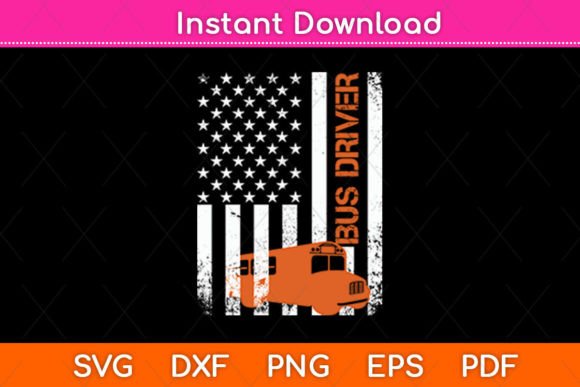
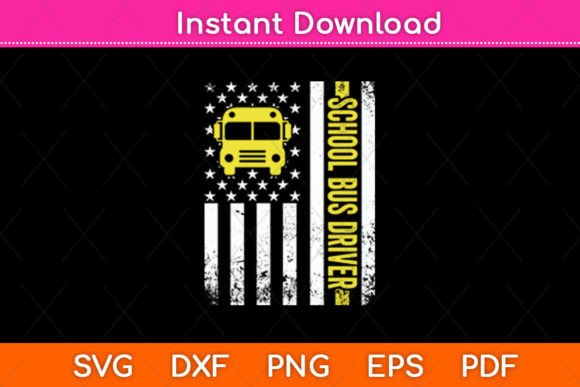
Visually, the composition balances the structured geometry of a school bus with the flowing elements of an American flag. This contrast is visually striking but presents technical challenges. The rigid lines of the bus require precise satin stitch borders or tight fill stitch areas to maintain shape on fabric. Conversely, the flag element often involves curves and waves that can distort if the stabilizer choice is incorrect. As a reviewer, I appreciate designs that offer this level of visual interest, but I always advise makers to test the conversion process on scrap material first to ensure the "waving" effect doesn't result in puckering or registration errors.
Real-World Application: The Custom Sweatshirt Test
To truly evaluate this design's commercial viability, I mentally placed it in a real-life scenario: creating a custom crewneck sweatshirt for a retiring school bus driver. This is a classic personalized gift that carries significant emotional weight. In this context, the design needs to be large enough to be legible from a distance but refined enough to look professional on a garment meant for daily wear.
For sweatshirt embroidery, the fleece texture adds complexity. If you are converting this SVG for stitching, you must account for the fabric's pile. A standard running stitch outline might get lost in the fuzz, so increasing the stitch width or adding a top stitch border is often necessary. I found that this design works best when centered on the chest or as a full-back print replacement. The patriotic theme makes it particularly suitable for end-of-year gifts, July 4th events, or retirement ceremonies. For an Etsy seller targeting school staff, this specific niche has lower competition than generic teacher designs, potentially increasing buyer engagement and perceived value.
Fabric Compatibility and Hoop Size Considerations
Not all substrates handle detailed graphics equally. While this design shines on stable knits and cottons, caution is required for other applications:
- Tote Bag Design: Canvas totes are ideal for this graphic. The sturdy fabric supports dense fill stitches without warping. Ensure your hoop size accommodates the full aspect ratio to avoid re-hooping, which risks alignment issues between the bus and flag elements.
- Baby Embroidery: If adapting this for onesies or bibs, significant simplification is mandatory. Tiny details in the flag stripes or bus windows will become thread blobs on small garments. Reduce the color count and increase open spaces to prevent the fabric from becoming bulletproof.
- Caps and Curved Surfaces: The horizontal nature of a bus and flag combination can be tricky on curved cap fronts. You may need to arch the text or stack the elements vertically to fit the limited stitching area without distorting the proportions.
- Stretchy Performance Wear: Use cut-away stabilizer and consider a stretch stitch type. Standard satin stitches may pop when the garment stretches during active wear.
Always verify the final dimensions against your machine’s capabilities. Since the source is an SVG, you have infinite scalability, but remember that enlarging a digitized design too much can lead to sparse coverage, while shrinking it causes thread breaks and needle damage.
Commercial Viability for Makers and Sellers
For creative entrepreneurs and small shop product developers, understanding the licensing and presentation of this asset is as important as the stitching itself. Because this is marketed primarily for cutting machines, you must rigorously check the license terms regarding commercial embroidery use. Some designers allow physical product sales but prohibit selling the digitized version itself. Clarifying this protects your business and respects the original artist's rights.
When listing finished items featuring this design, presentation drives sales. Create a printable mockup or photograph a sample on a real garment. Digital previews alone often fail to convey stitch texture. Buyers want to see how the red, white, and blue thread colors interact with the fabric. Does the navy blue disappear on a black shirt? Is the white thread opaque enough on dark denim? These practical observations build customer trust. Highlighting that the item is a handmade product with durable, wash-tested stitching differentiates you from mass-produced print-on-demand competitors.
Designer Notes for Optimal Results
Before launching this design into your production queue, adhere to these professional best practices:
- Test Stitch is Non-Negotiable: Never run this design on a final product without a sew-out. Check for gaps between the bus body and the flag overlay. Adjust pull compensation in your software if the fabric pulls inward.
- Color Contrast Check: View the design in grayscale before stitching. If the values are too similar, the definition will be lost. Ensure high contrast between the bus yellow, flag red/blue, and the background fabric.
- Stabilizer Selection: Match the stabilizer to the fabric weight. Use tear-away for stable canvas tote bags, but switch to fusible cut-away for knit sweatshirts to prevent stretching during the stitch-out.
- Detail Management: If the original SVG contains tiny text like "School Bus Driver," consider replacing it with blockier, embroidery-friendly font once digitized. Serif fonts and thin scripts rarely translate well from vector to stitch at small sizes.
- Wash Testing: If selling custom apparel, wash your test sample three times. Patriotism-themed items are often kept for years; ensure the threads don't fray or shrink differently than the base fabric.
Final Verdict on Design Utility
The School Bus Driver American Flag School graphic possesses strong emotional resonance and clear market potential within the education and transportation niches. Its bold iconography is well-suited for conversion into an applique design or mixed-media project where vinyl handles the fine text and embroidery covers the larger shapes. However, its origin as a cutter file demands respect for the digitization process. It is not a plug-and-play solution for embroiderers but rather a high-potential raw material.
For the experienced maker willing to perform the necessary technical translation, this design offers a pathway to unique, high-value products that celebrate essential workers. Whether you are creating a retirement holiday embroidery piece or stocking your Etsy shop with back-to-school gear, success lies in treating this graphic as a blueprint for quality craftsmanship rather than a finished commodity. Always prioritize stitch integrity over digital perfection, and your finished product will reflect the professionalism that both you and the school bus drivers you honor deserve.