Easter Season: A Retro Groovy Embroidery Review
As a designer who has stitched out countless holiday graphics, I approach every new machine embroidery design with a healthy dose of skepticism. We have all downloaded files that look perfect on screen but turn into thread nests or distorted shapes once the needle hits the fabric. When evaluating the "Easter Season" collection, specifically the Retro Groovy Easter SVG assets, my primary focus is not just the aesthetic appeal but the structural integrity for real-world production. This review breaks down how these graphics translate from digital art to tangible handmade products, based on practical application rather than marketing fluff.
Capturing the Retro Groovy Vibe Without Stitch Failure
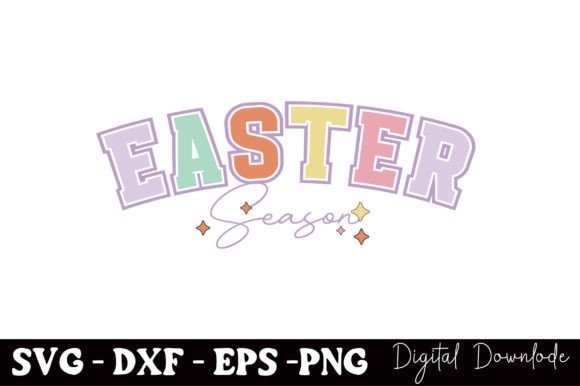
The first impression of the Easter Season graphics is undeniably nostalgic. The retro groovy aesthetic is currently dominating the craft business sector, particularly for teachers and kids' apparel. However, translating 70s-style typography and bubbly bunny illustrations into embroidery requires careful consideration. Unlike standard vector art used for vinyl, an embroidery file must account for thread physics. The curves in this design are bold, which is excellent for visibility, but they also demand precise satin stitch management.
Visually, the design strikes a balance between playful and professional. It avoids the overly intricate details that often cause registration issues on home machines. For an Etsy seller or boutique owner, this visual clarity is crucial. Customers browsing printable mockups or finished product photos need to instantly recognize the theme. The Easter Season artwork succeeds here because the silhouette of the rabbit and the lettering remain distinct even at smaller scales, making it versatile for everything from baby embroidery on onesies to larger sweatshirt embroidery projects.
Real-World Application: Stitching a Teacher Tote Bag
To truly test the viability of this design, I applied it to a common scenario: creating a personalized tote bag design for a teacher gift. Canvas totes are unforgiving; the fabric texture is coarse, and the material has zero stretch. This makes them the ultimate stress test for any digital embroidery file.
During the stitching process, the Easter Season design performed reliably, provided the correct stabilizer was used. Because the retro font features varying line widths, I had to ensure the underlay was sufficient to prevent the canvas grain from pushing through the fill stitch areas. The result was a vibrant, textured finish that felt high-quality rather than mass-produced. For small shop products, this tactile quality builds customer trust. When a buyer receives a finished product where the stitches lie flat and the colors pop against the natural canvas, it validates the price point and encourages repeat business.
This specific use case also highlighted the design's suitability for commercial embroidery. The stitch-out time was reasonable, allowing for profitable margins without sacrificing detail. If you are running a craft business focused on school holidays, this graphic offers a strong return on investment because it appeals to a specific niche (teachers/kids) while remaining broad enough for general Easter shoppers.
Navigating Fabric Limitations and Hoop Constraints
While the Easter Season collection is versatile, it is not immune to physical limitations. As experienced makers know, context dictates success. Here is where you need to exercise caution:
- Stretchy Fabrics: When applying this to ribbed knits or performance wear, the retro lettering can distort if the hoop size is too tight or the stabilizer is too light. Always use a cut-away stabilizer for stretchy custom apparel to maintain the shape of the groovy letters after washing.
- Dark Fabrics: The design relies heavily on color contrast. On dark garments, ensure your thread colors are saturated enough to stand out. Pastel threads on navy blue can sometimes get lost; consider adding a white underlay or outline to boost visibility.
- Small Sizing: While marketed as "Kids" and "Baby" friendly, be wary of shrinking the design below its recommended minimum. Tiny text elements in the "Happy Easter" variations may become illegible or cause needle breaks. Always verify the smallest safe size in your software before committing to baby clothes.
- Curved Surfaces: If adapting this for caps or sleeves, the wide horizontal layout of some Easter Bunny SVG variations may require re-digitizing or splitting. Flat designs do not always wrap well around curved embroidered patch bases or hat fronts without distortion.
Enhancing Product Value and Brand Consistency
Beyond the mechanics of stitching, the Easter Season graphics play a significant role in perceived value. In the saturated market of holiday embroidery, cohesion matters. Using a consistent design language across your Etsy listings helps build brand recognition. The retro groovy style serves as a unifying theme that can tie together disparate items like aprons, pillow covers, and nursery decor.
For creative entrepreneurs, this design asset supports higher pricing tiers when executed correctly. A generic bunny clipart feels cheap; a professionally stitched, well-digitized retro design feels curated. When presenting this to clients or customers, emphasize the intentionality of the style. Whether you are selling design assets directly or using them to create personalized gifts, the professional presentation of the Easter Season theme signals quality. It tells the buyer that you understand current trends and possess the technical skill to execute them properly.
Essential Pre-Production Checklist for Makers
Before you load this embroidery project into your machine for a client order or inventory stock, run through this practical checklist. These steps separate hobbyists from professionals:
- Verify Licensing: Confirm whether your purchase includes commercial rights for selling finished goods or if it is limited to personal use. This is critical for Etsy sellers and shop owners.
- Test on Scrap Fabric: Never stitch directly onto a final garment without a test run. Use a scrap of the exact same material and stabilizer combination to check for puckering or registration errors.
- Check Thread Contrast: View your thread colors in natural light. Screen colors often differ from physical thread. Ensure the retro palette translates well to the actual substrate.
- Inspect Small Details: Zoom in on the digital embroidery file to identify any jump stitches that might need trimming or any columns that are too narrow for your needle size.
- Mockup Validation: Create a printable mockup or photo composite to see how the design scales relative to the garment. What looks good in a 4x4 hoop might look overwhelming on a toddler’s chest or too small on an adult sweatshirt.
- Wash Test: If producing kitchen towels or baby items, wash and dry your test swatch. Retro styles often involve dense satin stitches that can shrink or warp differently than the base fabric.
Final Thoughts for the Practical Crafter
The Easter Season collection offers a refreshing departure from traditional pastel bunnies, providing a trendy, groovy alternative that resonates with modern buyers. For the apparel decorator or handmade shop owner, its strength lies in its bold simplicity and nostalgic charm. However, success depends entirely on respecting the technical requirements of machine embroidery. By treating this graphic as a starting point for your own craftsmanship—testing, adjusting, and validating—you transform a simple Rabbit SVG into a premium finished product that customers will cherish. Always prioritize stitch quality over speed, and let the unique personality of the Easter Season design shine through thoughtful execution.