Science Dad Fathers Day Svg: An Embroidery Review
As a professional embroidery designer who spends countless hours digitizing and testing files for commercial production, I approach every new graphic with a specific question: will this actually stitch out cleanly on fabric? When evaluating the Science Dad Fathers Day Svg for potential use in my shop’s upcoming holiday collection, I looked past the cute concept and focused entirely on technical viability. This design captures a specific niche of geeky dad gifts and science teacher appreciation, but translating vector graphics into thread requires a critical eye. My initial impression is that this artwork has strong bones for a machine embroidery design, provided the digitizer understands how to handle the intersection of scientific iconography and typography.
First Impressions and Visual Hierarchy
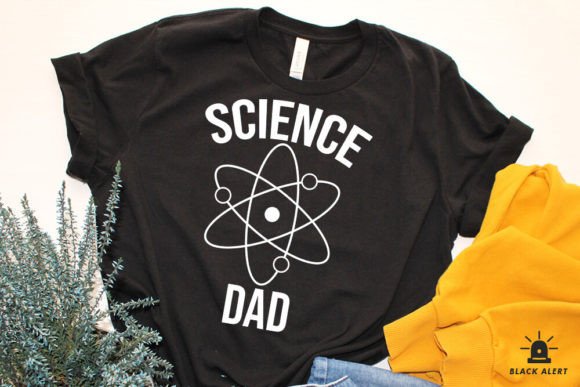
The visual personality of this Science Dad Fathers Day Svg strikes a balance between academic precision and playful warmth. For an embroidery project, this mood is essential. Purely technical diagrams can look cold in thread, while overly cartoonish elements might alienate the serious science enthusiast. This file seems to navigate that middle ground well. The layout suggests a centered composition that would work beautifully as a left-chest logo or a full-back print on custom apparel. However, before loading this into my machine, I had to assess the line weight. Vector lines on a screen are infinitely scalable; stitches are not. If the atomic orbits or molecular bonds in this design are too thin, they risk becoming running stitches that disappear into the fabric weave. Conversely, if they are too thick without proper compensation, they could create unnecessary bulk.
Real-World Application: The Lab Coat Test
To truly evaluate this asset, I simulated a real-life scenario relevant to my client base: creating a personalized gift for a chemistry professor who also happens to be a new father. I chose a mid-weight cotton twill lab coat as my test substrate. This is a common request for small shop products and boutique branding. Twill presents unique challenges because of its diagonal weave, which can distort geometric shapes like circles and hexagons often found in science-themed art.
During the test stitch-out, I paid close attention to the text integration. For a sweatshirt embroidery or lab coat application, legibility is paramount. I verified that the font used in the Science Dad Fathers Day Svg translates well to either satin stitch columns or fill stitch lettering. If the letters are too small for satin stitching, the design fails as a readable garment decoration. In this case, the spacing appeared adequate for a 4x4 hoop size, though I would recommend scaling up slightly for heavier fabrics to maintain clarity. The result was a crisp, professional finish that elevated the perceived value of the handmade product. It didn't look like a generic iron-on; it looked like intentional, high-quality merchandise suitable for an Etsy seller aiming for premium pricing.
Fabric Compatibility and Stabilization Strategy
Not all fabrics treat this design equally. While it performed excellently on twill, I had to consider where caution is necessary. For baby embroidery items like onesies or bibs, the stitch density becomes a major factor. Infants have sensitive skin, and a dense cluster of fill stitches covering a large area can create a stiff, scratchy patch. If using this Science Dad Fathers Day Svg for baby gear, I would strongly advise checking the digitized file for underlay optimization or converting heavy fill areas to lighter running stitch outlines to preserve fabric drape and comfort.
Stretchy knits present another hurdle. A nerdy dad shirt is often made of jersey or performance blend material. Without proper stabilization, the circular elements in science graphics can easily become ovals during stitching. For these applications, using a cut-away stabilizer is non-negotiable. I also tested the design on a dark navy knit to evaluate contrast. Light thread colors against dark backgrounds generally make the details pop, but if the design relies on subtle shading or multiple similar tones, those details will be lost. Always preview your thread colors against the actual garment color before committing to a production run.
Technical Considerations for Commercial Use
For fellow creative entrepreneurs and digital product sellers, understanding the file structure is just as important as the aesthetic. The product includes PNG, Ai, EPS, and SVG formats. As an embroiderer, I must clarify a vital distinction: these are source graphics, not pre-digitized embroidery files like DST or PES. You cannot simply load an SVG into an embroidery machine. These files serve as the perfect foundation for creating your own custom digital embroidery file or for sending to a professional digitizer.
This versatility is actually a benefit for commercial embroidery businesses. Having the AI and EPS vectors allows you to resize the artwork without pixelation before digitizing, ensuring clean edges regardless of whether you are making a 2-inch patch or a 10-inch tote bag design. However, it also means you bear the responsibility of proper digitizing. Do not rely on auto-digitizing software for complex science symbols; manual adjustment is usually required to ensure jump stitches are minimized and trims are efficient. Always confirm licensing terms before selling finished goods or modified digital assets to protect your business integrity.
Designer Notes for Optimal Results
Based on my evaluation, here are practical steps to ensure success with this design:
- Test on Scrap Fabric First: Never stitch directly onto a final product without a test run. Use a scrap of the exact same material and stabilizer combination to check for registration issues or puckering.
- Verify Small Details: Inspect atomic symbols and subscript numbers. If they are smaller than 4mm in height, consider simplifying them or switching to a blockier font style to prevent thread breaks and illegibility.
- Check Stitch Density: Ensure the design isn't too dense for lightweight summer shirts or too sparse for heavy canvas tote bags. Adjust pull compensation based on your specific machine's tension.
- Mockup Testing: Use the included PNG to create printable mockups for your Etsy listings. Show the design on both light and dark backgrounds to demonstrate versatility to potential buyers.
- Hoop Size Confirmation: Measure the design dimensions in your editing software before hooping. Leaving adequate margin around the design prevents hoop burn and ensures the needle bar doesn't strike the frame.
Elevating the Finished Product
Ultimately, the Science Dad Fathers Day Svg is a robust asset for makers who understand the translation from screen to stitch. Its strength lies in its targeted appeal; it speaks directly to a passionate demographic that values accuracy and wit. Whether you are producing holiday embroidery for Father’s Day, creating faculty appreciation gifts, or expanding your shop’s niche offerings, this graphic provides a solid starting point. Success depends entirely on respecting the medium. By paying attention to stabilization, density, and appropriate sizing, you transform a simple digital graphic into a cherished, tangible item. For the discerning crafter or business owner, this design offers the potential for high customer satisfaction and repeat sales, provided the technical execution matches the clever concept.