Teacher Mode Off SVG: A Designer’s Stitch Review
As a professional embroidery digitizer and product reviewer, I approach every new graphic with a specific question: will this actually stitch out cleanly on fabric? When evaluating the Teacher Mode off - Teaching SVG, my assessment goes far beyond the digital preview. This design captures a relatable, humorous sentiment that resonates deeply with educators, but translating that personality into a tangible handmade product requires careful consideration of line weight, negative space, and fabric compatibility. For Etsy sellers and craft business owners targeting the teacher niche, understanding how this graphic behaves under the needle is the difference between a bestseller and a production headache.
Capturing the End-of-Year Vibe in Thread
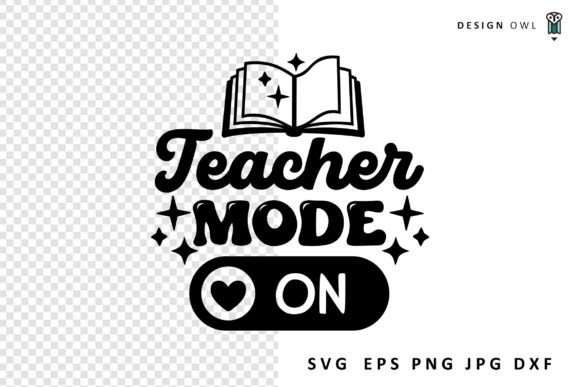
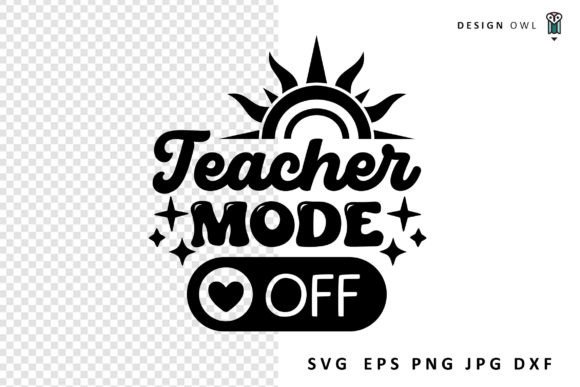
The visual mood of Teacher Mode off - Teaching SVG is instantly recognizable. It speaks to relief, celebration, and the transition from structured classroom environments to personal freedom. As a digital embroidery file, it carries a bold, declarative energy that works exceptionally well for statement pieces rather than subtle accents. In my studio, I immediately envisioned this as a centerpiece for end-of-year gifts or summer vacation apparel. The typography and layout suggest confidence, which means the stitch density needs to be substantial enough to hold its own against the texture of casual wear fabrics.
Unlike intricate floral applique designs that rely on layering, this graphic likely depends heavily on clean lettering and distinct shapes. For an embroidery project focused on humor and readability, clarity is paramount. If the font is too thin or the spacing too tight, the message gets lost in the fabric weave. My first impression is that this design belongs on items meant to be seen and read from a distance, making it ideal for sweatshirt embroidery or large-format tote bag designs where the canvas allows the artwork to breathe.
Real-World Application: The Teacher Lounge Sweatshirt Test
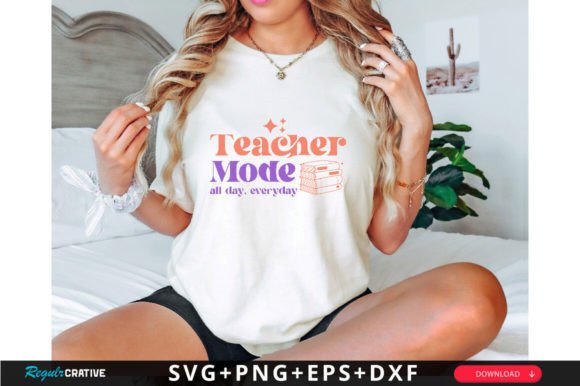
To truly evaluate this asset, I mentally placed it in a real-life production scenario: creating a custom crewneck sweatshirt for a retiring teacher. This is a high-stakes personalized gift where quality signals respect. Using the Teacher Mode off - Teaching SVG as a base, I considered how it would interact with fleece-backed cotton. Sweatshirts have significant pile and stretch, two factors that can distort precise graphics.
In this scenario, I would treat the SVG not just as a cut file for vinyl, but as a roadmap for digitizing a robust machine embroidery design. If converting this vector graphic into stitches, I would prioritize a sturdy foundation. A running stitch outline followed by a dense fill stitch or satin stitch border ensures the letters don't sink into the fleece. For commercial embroidery businesses fulfilling bulk orders for school staff, this design’s bold nature allows for faster stitching speeds compared to delicate scripts, improving turnaround time without sacrificing visual impact. However, because the phrase is text-heavy, thread tension must be perfect; any bobbin thread showing through the top layer will ruin the legibility and professionalism of the finished product.
Navigating Fabric Limitations and Hoop Constraints
While Teacher Mode off - Teaching SVG is versatile, it demands respect for material limitations. I advise extreme caution when applying this to lightweight performance fabrics or sheer materials. The design’s inherent boldness implies a certain stitch count that could cause puckering on thin knits. Always pair this with an appropriate stabilizer; a cut-away mesh is often safer than tear-away for stretchy garments to prevent distortion during washing.
Furthermore, consider your hoop size before committing to a placement. This graphic likely has a wider aspect ratio given the length of the phrase. Attempting to shrink it down to fit a 4x4 hoop might render the internal counters of letters like 'e' or 'a' indistinguishable after stitching. Small details are the enemy of durability in custom apparel. If you are working with limited hoop space, test whether the design maintains its integrity when scaled down, or if it is better suited for larger formats like pillow covers or tea towels. Dark fabrics also present a challenge; ensure your thread colors offer maximum contrast. White or bright yellow thread on navy fleece reads beautifully, but pastel threads on dark backgrounds may require a white underlay to pop effectively.
From Digital Asset to Marketable Product
For creative entrepreneurs and small shop product developers, the value of this file extends beyond the physical stitch-out. The inclusion of SVG, JPG, PNG, EPS, and DXF formats makes it a powerhouse for mixed-media workflows. Before I ever thread a needle, I use the PNG and JPG versions to create accurate printable mockups. This step is crucial for validating market interest. I can list a holiday embroidery item or a summer teacher tee on my Etsy shop using digital previews to gauge engagement before investing hours in sampling.
This multi-format versatility also supports brand consistency. You can use the exact same typography and layout for matching vinyl decals on water bottles, sublimation prints on mugs, and embroidered patches on denim jackets. When customers see cohesive design assets across different product lines, it builds trust and recognition. However, always verify the licensing terms included with Teacher Mode off - Teaching SVG. Confirm whether you have rights to sell the digital embroidery file itself or only the physical finished product. Respecting intellectual property is non-negotiable for maintaining a reputable craft business.
Essential Pre-Stitch Checklist for Makers
Before loading this design into your machine or listing it in your shop, run through this practical validation process:
- Test on Scrap Fabric: Never stitch directly onto a final garment without testing. Use a scrap piece of similar weight and texture to check for registration issues or puckering.
- Verify Thread Contrast: View your color palette in grayscale. If the design looks muddy in black and white, it will lack definition in thread form.
- Inspect Corner Details: Zoom in on sharp angles in the vector file. If they are too acute, they may cause thread breaks or needle deflection during digitizing.
- Check Washability: If intended for baby embroidery or kitchen linens, ensure the stitch type can withstand frequent laundering. Satin stitches over wide areas may need anchoring points to prevent snagging.
- Mockup Validation: Create a realistic digital preview using the provided PNG. Does the scale look correct relative to the garment? Is the placement flattering?
- Software Compatibility: While listed as suitable for Photoshop, Illustrator, Inkscape, and Cricut Design, confirm your specific embroidery software imports the SVG or DXF cleanly without altering node paths.
Final Thoughts on Production Value
Teacher Mode off - Teaching SVG represents more than just a seasonal trend; it is a functional asset for makers who understand their audience. Its success in an embroidery project hinges on treating it as a technical blueprint rather than mere decoration. By respecting fabric physics, optimizing stitch parameters, and leveraging its multi-format flexibility, you transform a simple graphic into a premium handmade product. Whether you are crafting a sentimental retirement gift or stocking your online store with relatable teacher merch, this design offers strong potential when executed with professional intentionality. Always let the quality of your craftsmanship elevate the wit of the message, ensuring your customers receive a product that feels as good as it looks.