Teacher Mode On SVG: A Designer’s Embroidery Review
As a professional embroidery designer and product reviewer, I approach every new graphic with a specific question: will this actually stitch out well on a finished product? When evaluating the Teacher Mode on - Teaching SVG, my focus shifts immediately from digital aesthetics to physical application. This design falls squarely within the Crafts and Graphics categories, but for those of us running a craft business or managing an Etsy shop, its value lies entirely in its versatility as a machine embroidery design or vinyl cut file. The phrase "Teacher Mode On" carries a distinct mood—energetic, relatable, and slightly humorous—which makes it a prime candidate for custom apparel and personalized gifts targeting educators.
First Impressions and Visual Personality
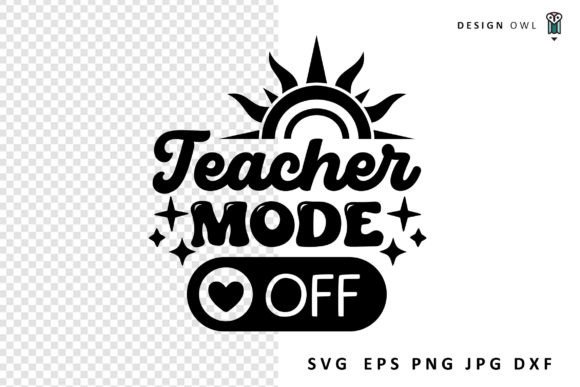
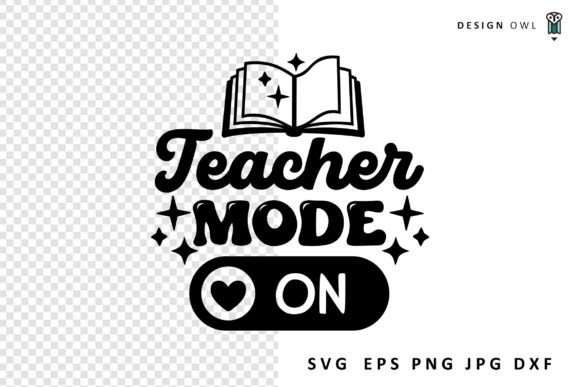
Upon opening the digital embroidery file, the layout of Teacher Mode on - Teaching SVG presents a bold, declarative statement. The typography appears balanced, suggesting that the original vector artwork was created with production in mind. For an embroidery project, this is crucial. Designs with overly thin serifs or distressed textures often fail during digitization, resulting in thread breaks or unclear lettering. This design, however, feels structured enough to support both satin stitch outlines and fill stitch interiors. The visual personality is confident without being aggressive, making it suitable for a wide demographic ranging from kindergarten teachers to university professors. As a digital product seller or apparel decorator, you want design assets that communicate instantly; this graphic achieves that clarity, ensuring high buyer engagement when used in printable mockups or shop listings.
Real-World Application: The Educator Tote Bag Test
To truly judge this asset, I mentally placed it into a real-life scenario: creating a heavy-duty canvas tote bag for a back-to-school boutique product line. Teachers carry heavy loads, and a tote bag design needs to be legible from a distance while maintaining professionalism. In this context, Teacher Mode on - Teaching SVG shines. The phrasing is short enough to allow for a large stitch area without overwhelming the bag's proportions. If I were stitching this as an embroidered patch or direct embroidery, I would likely use a contrasting thread color against natural canvas to maximize visibility.
For sweatshirt embroidery, which is currently a massive trend for teacher appreciation gifts and holiday embroidery sales, this design offers excellent placement flexibility. It works beautifully as a left-chest logo size or a centered back print. Because the file types include SVG, JPG, PNG, EPS, and DXF, I can easily resize the artwork for different garments without losing edge definition. This adaptability is vital for small shop products where inventory varies from baby clothes to adult unisex tees. The design’s inherent humor adds perceived value to the handmade product, transforming a basic garment into a relatable identity piece that customers are eager to wear.
Navigating Fabric Limitations and Stitch Density
While the graphic is versatile, practical experience dictates caution with certain substrates. When using Teacher Mode on - Teaching SVG for embroidery, you must consider stitch density relative to fabric texture. If you are working with stretchy knits for t-shirts or baby embroidery, the design may require additional stabilizer to prevent puckering. Bold text designs can sometimes become too dense if not properly underlaid, leading to a stiff feel on lightweight fabrics. I always recommend testing the design on scrap fabric first, especially if you are converting this vector graphic into stitches using your own software.
Furthermore, be mindful when applying this to textured fabrics like terry cloth tea towels or fleece blankets. Fine details in the lettering could get lost in the pile. In these cases, using an applique design technique or a thicker running stitch border can help define the edges against the fabric nap. For curved surfaces like caps, verify that the aspect ratio fits your hoop size without distortion. Caps have limited vertical space, and a design meant for flat sweatshirts might need reformatting to avoid stitching off the brim or into the seam. Always inspect small details and tiny lettering before committing to a full production run; what looks crisp on screen may require simplification for needle and thread.
Commercial Viability and Brand Consistency
For Etsy sellers and creative entrepreneurs, consistency builds trust. Teacher Mode on - Teaching SVG serves as a strong anchor for brand identity because of its universal recognition among educators. Whether you are selling finished custom apparel or offering the digital embroidery file to other makers, the clean lines of this graphic suggest professionalism. However, before listing any commercial embroidery items or digital downloads, you must confirm licensing. Ensure you have the right to sell finished products or distribute the file itself. This due diligence protects your business and maintains customer trust.
The inclusion of multiple file formats (SVG, JPG, PNG, EPS, DXF) significantly enhances the product's utility. Photoshop and Illustrator users can manipulate the EPS or SVG for high-resolution print transfers, while Cricut Design Space users can utilize the SVG for vinyl decals. This cross-platform compatibility means you can create cohesive collections across different mediums. Imagine offering a matching set: an embroidered apron for the classroom art teacher and a vinyl-decaled mug for their desk. Using the same source graphic ensures visual harmony, elevating the perceived quality of your entire shop.
Essential Pre-Production Checklist for Makers
Before you hoop up or hit "print," run through this practical checklist to ensure Teacher Mode on - Teaching SVG performs as expected in your specific workflow:
- Verify Hoop Compatibility: Measure the design dimensions against your machine’s maximum hoop size. Resizing vector graphics is easy, but resizing established embroidery files can alter stitch density unpredictably.
- Contrast Testing: Test thread colors against your chosen fabric. White text on pale yellow fabric may disappear; ensure sufficient contrast for readability.
- Stabilizer Selection: Match your stabilizer to the fabric weight. Use cut-away for stretchy knits and tear-away for stable wovens to maintain registration.
- Mockup Validation: Create black and white mockups to check value contrast. If the design relies solely on color differentiation, it may fail in monochrome embroidery.
- Washability Check: If producing tea towels or baby items subject to frequent washing, test the durability of the stitch type or vinyl adhesion after laundering.
- License Confirmation: Re-read the terms of use specifically regarding commercial embroidery and digital resale to avoid infringement.
Final Thoughts on Design Utility
Ultimately, Teacher Mode on - Teaching SVG is more than just a seasonal novelty; it is a functional asset for makers who understand their audience. Its strength lies in its emotional resonance combined with technical adaptability. Whether you are crafting a personalized gift for a favorite educator or building a commercial embroidery line for the back-to-school rush, this design provides a solid foundation. By respecting the technical constraints of embroidery and leveraging the graphic's bold simplicity, you can create finished products that look professional, stitch out cleanly, and sell consistently. Remember, successful crafting businesses are built on the intersection of creative vision and practical execution. Treat this design with the technical attention it deserves, and it will serve as a reliable staple in your product catalog for years to come.